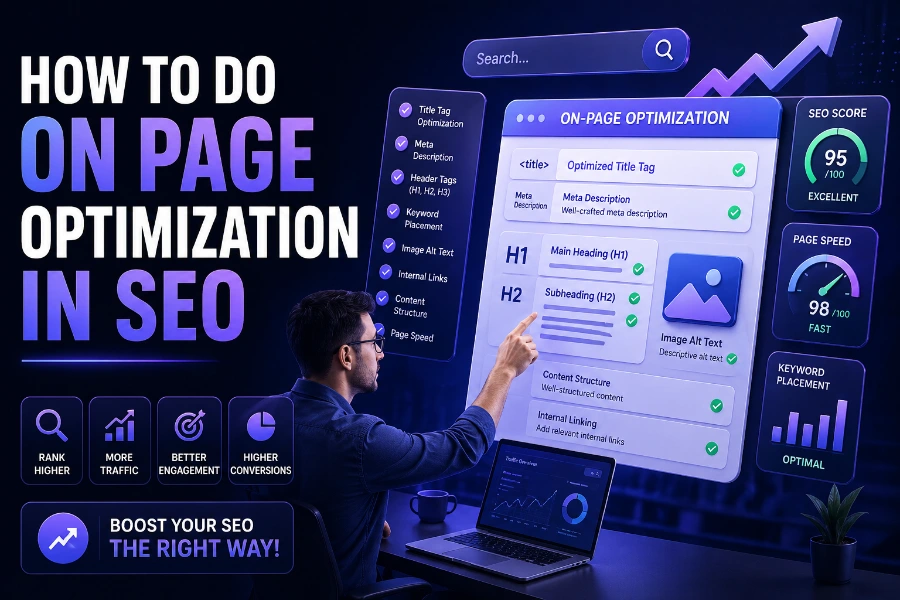

Writing blog posts that rank on Google is no longer about stuffing keywords into paragraphs and hoping for the best. You need a structured approach that blends search intent, readability, and optimization techniques into one seamless process.
If you understand how to write SEO friendly blogs properly, you will not only attract traffic but also keep readers engaged long enough to convert them into loyal followers or customers. This guide walks you through every step with precision so you can create content that consistently performs.
Understand Search Intent Before You Start Writing
Before you write a single word, you must understand why someone is searching for your topic and what they expect to find. Search intent determines whether your content ranks or is ignored, because Google prioritizes relevance above all else.
When you align your blog with intent, you create content that answers questions clearly and satisfies user expectations without confusion or fluff. If your content fails to match intent, even perfect keyword placement will not save your rankings.
You also need tools and systems that simplify this process because manual research can slow you down significantly, and many writers now get high-quality copy written with AI fast to analyze intent and generate structured outlines efficiently. This approach helps you focus on value rather than struggle with direction.
Types Of Search Intent
Understanding intent helps you write content that aligns with user expectations:
- Informational: Users want answers or explanations
- Navigational: Users are looking for a specific website
- Transactional: Users want to buy or take action
- Commercial: Users are comparing options
When you identify the intent correctly, your blog becomes naturally optimized.
Conduct Keyword Research That Drives Results
Keyword research is the backbone of SEO writing because it reveals what people are searching for and how competitive those terms are. Without it, you are simply guessing what might work instead of using data to guide your decisions.
You should focus on primary keywords, secondary keywords, and long-tail variations that reflect natural search behavior. This layered approach allows you to capture broader traffic while targeting specific queries that are easier to rank for.
A well-researched keyword strategy also improves your content structure because it helps you organize headings, subheadings, and supporting ideas in a logical way that search engines understand.
How To Choose The Right Keywords
Follow these steps to select effective keywords:
- Look for moderate search volume with low competition
- Analyze top-ranking pages for keyword patterns
- Use long-tail keywords for easier ranking
- Match keywords to user intent
This method ensures your content has a strong foundation before you begin writing.
Craft Headlines That Attract Clicks And Rankings
Your headline is the first thing users and search engines see, so it must be compelling, clear, and optimized. A strong headline improves click-through rates, which directly impacts your rankings over time.
You should include your primary keyword naturally while keeping the title engaging enough to spark curiosity. Avoid vague titles because users prefer clarity and direct value.
A well-crafted headline also sets expectations for the rest of the article, making it easier for readers to decide whether your content is worth their time.
Elements Of A High-Performing Headline
Use these principles when writing headlines:
- Include the primary keyword
- Keep it under 60 characters
- Add numbers or power words
- Focus on benefits or outcomes
This combination improves both visibility and engagement.
Structure Your Blog For Readability And SEO
A well-structured blog improves user experience and helps search engines understand your content hierarchy. Proper formatting makes your content easier to scan, which increases the time readers spend on your page.
You should use short paragraphs, clear headings, and logical transitions between sections to guide readers through your content. This approach reduces bounce rates and improves overall performance.
Additionally, structuring your blog correctly allows you to incorporate advanced strategies like AI-assisted workflows, especially when exploring topics like how AI helps with online content creation because these tools can enhance organization and efficiency without sacrificing quality.
Best Practices For Blog Structure
Follow these formatting rules:
- Use H2 and H3 headings consistently
- Keep paragraphs concise and focused
- Add bullet points where necessary
- Maintain logical flow between sections
This structure makes your content easier to read and rank.
Optimize Your Content With Strategic Keyword Placement
Keyword placement is crucial because it signals relevance to search engines without disrupting readability. You need to integrate keywords naturally into your content so they enhance meaning instead of feeling forced.
Place your primary keyword in key areas such as the title, introduction, headings, and conclusion while using variations throughout the body. This balanced approach prevents over-optimization and keeps your content user-friendly.
You should also focus on semantic keywords because search engines now understand context, which means your content should cover related topics comprehensively.
Where To Place Keywords Effectively
Use this checklist for proper placement:
- Title and meta description
- First 100 words of content
- H2 and H3 headings
- Image alt text
- Conclusion
This ensures your blog is fully optimized without keyword stuffing.
Write High-Quality Content That Keeps Readers Engaged
Content quality is one of the strongest ranking factors because Google prioritizes helpful and relevant information. If your content does not provide value, it will not rank regardless of optimization efforts.
You should focus on clarity, depth, and originality while avoiding repetitive or generic information. Readers expect actionable insights that solve their problems quickly and effectively.
High-quality content also increases shares, backlinks, and dwell time, which all contribute to better rankings over time.
Key Elements Of High-Quality Content
Make your content stand out by:
- Providing actionable advice
- Using real examples
- Avoiding fluff or filler
- Writing in a conversational tone
These elements keep readers engaged from start to finish.
Use Internal Linking To Strengthen Your SEO Strategy
Internal linking improves navigation and helps search engines understand the relationship between your pages. It also distributes authority across your website, making it easier for multiple pages to rank.
You should link to relevant pages naturally within your content while ensuring the anchor text matches the topic being referenced. This approach improves both user experience and SEO performance.
For example, when discussing AI tools, it makes sense to reference insights into why CopyGenAI is the best AI writing assistant, as this provides deeper context and enhances the reader’s understanding of content creation tools.
Internal Linking Best Practices
Follow these guidelines:
- Use descriptive anchor text
- Link to relevant pages only
- Avoid over-linking
- Place links naturally within content
This strategy strengthens your site structure and improves rankings.
Optimize Images And Media For Better Performance
Images play a crucial role in SEO because they improve engagement and help break up text-heavy content. However, unoptimized images can slow down your website, negatively affecting your rankings.
You should compress images, use descriptive file names, and add alt text that includes relevant keywords. These steps ensure your images contribute to SEO rather than harm it.
Adding videos or infographics can also enhance user experience and increase the time visitors spend on your page.
Image Optimization Checklist
Use this checklist for better results:
- Compress images for faster loading
- Add keyword-rich alt text
- Use descriptive file names
- Choose relevant visuals
This improves both performance and accessibility.
Write Meta Tags That Improve Click-Through Rates
Meta titles and descriptions influence whether users click on your content in search results. Even if your page ranks high, poor meta tags can significantly reduce your traffic.
You should write concise, engaging meta descriptions that include your primary keyword and clearly explain what readers will gain. This encourages more clicks and improves your overall SEO performance.
A well-optimized meta title also helps search engines understand your content better, which increases your chances of ranking.
Tips For Writing Effective Meta Tags
Keep these tips in mind:
- Include the primary keyword
- Keep titles under 60 characters
- Write compelling descriptions
- Focus on user benefits
This combination boosts visibility and engagement.
Improve Technical SEO For Better Indexing
Technical SEO ensures that search engines can crawl, index, and understand your content without issues. Without proper technical optimization, even the best content may struggle to rank.
You should focus on site speed, mobile responsiveness, and clean URL structures to improve performance. These factors directly impact user experience and search rankings.
Fixing technical issues like broken links or duplicate content also helps maintain your website’s credibility and authority.
Key Technical SEO Factors
Focus on these elements:
- Fast page loading speed
- Mobile-friendly design
- Secure HTTPS connection
- Clean URL structure
These improvements make your site more search engine-friendly.
Update And Refresh Content Regularly
SEO is not a one-time effort because search trends and algorithms constantly evolve. Updating your content ensures it remains relevant and continues to rank over time.
You should review your blog posts periodically to add new information, improve structure, and update keywords. This keeps your content fresh and competitive.
Refreshing content also signals to search engines that your website is active, which can boost rankings.
How To Refresh Old Content
Follow this process:
- Update outdated information
- Add new keywords
- Improve readability
- Expand sections with more value
This strategy helps maintain long-term performance.
Conclusion
Learning how to write SEO friendly blogs requires a balance between strategy, creativity, and technical understanding. When you combine keyword research, structured formatting, and high-quality content, you create posts that not only rank but also provide real value to readers.
You should focus on understanding search intent, optimizing every element of your content, and continuously improving your approach based on performance data. These steps ensure your blog remains competitive in an ever-changing digital landscape.
By applying the strategies in this guide consistently, you position yourself to create content that stands out, attracts organic traffic, and delivers measurable results over time.